GUIDE TO CHARGING AN ELECTRIC CAR
This guide explains what anyone considering buying an electric car, needs to know about charging their car both on the go and at home.
HOW MANY PUBLIC CHARGING STATIONS ARE THERE?

As of August 2019, there were 9199 charging points in the UK. That’s slightly more than the 8500 filling stations, according to Experian, a market analyst.
These charging stations comprise 13,800 public charging machines for electric cars, which give more than 23,400 connections for drivers. The volume will continue to grow, according to Zap Map, which gathers the data.
Who manages the charging stations?
There are a large number of businesses behind electric car charging stations. Most of these are energy firms, and many require registration before drivers can use them. This in turn will provide a swipe or contactless card, similar to a bank card, which identifies the user and provides access to charging machines.
What this means is that drivers considering buying an electric car need to consider how they will be using it. If it is for longer trips, perhaps for work or busy weekends, then it will be a good idea to subscribe to a number of providers. Some might be national, others regional, which means a degree of advance planning is required for long drives. Some retailers are also rolling out pay-as-you-go contactless card readers, meaning no subscription is required.
HOW MUCH DOES IT COST TO JOIN A CHARGING NETWORK?
Prices and services vary depending on the provider.
BP Chargemaster’s Polar service features a large amount of charging points around the UK, and you get three months free use before the subscription cost kicks in. Around 70% of its stations are free to use for subscribers, and the company charges from 10.8p per kWh at those points that aren’t free.
Zero Carbon World requires no subscription, instead relying on a pay-as-you-go fee.
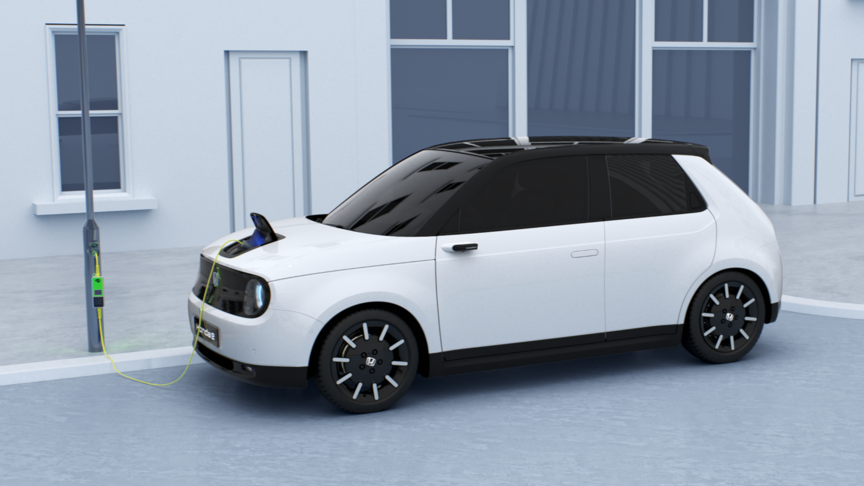
Ubitricity, the company which runs public charging points on lamp posts across London, has different prices depending on the borough.
Prices for all the above are subject to change, so be sure to check on each provider’s website for up-to-date costs.
How long does it take to charge an electric car?
Consider these two factors
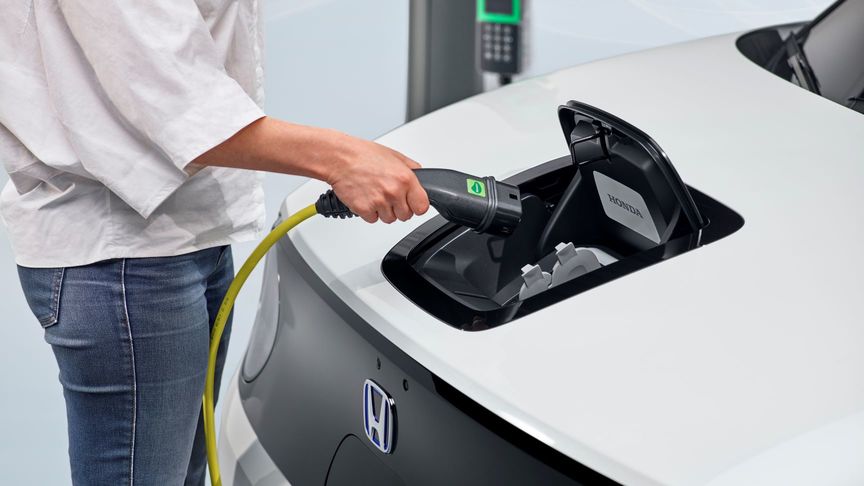
Just as petrol or diesel car have different size engines, electric cars have different size batteries. The larger the battery, the further it should be able to drive before a charge is required. But equally, the larger the battery, the longer it will take to replenish.
Another consideration is the capacity of the charging station, and how much charge the car can accept. The charging station is rated by how many kilowatts (kW) it can provide, while the vehicle is rated by wattage. In both cases, the higher the figure, the faster the charge.
UNDERSTANDING CHARGING STATION RATES:
| Slow charging. | |||||
|---|---|---|---|---|---|

|
Slow charging. | Slow charging. Rate: 3kW | Charge an electric car from ‘empty’ (either at home or at a station), and a full slow charge will take around eight hours. | ||
| Slow charging. | |||||
|---|---|---|---|---|---|
|
|
Slow charging. | Fast charging. Rate: 7-22kW | From empty, a fast charging point will take around three to four hours to fully replenish an electric car’s batteries. If you have a wall box installed at home, it will be a fast charger, while most public charging stations are too. | ||
| Slow charging. | |||||
|---|---|---|---|---|---|
|
|
Slow charging. | Rapid charging. Rate: 43-50kW | Not all electric cars are compatible with rapid charging, so before buying one check whether it is. Why is it important to have this ability? Because should you undertake a relatively long journey by electric car, a rapid charger provides 80 percent charge in as little as 30 minutes. | ||
Is it easy to install a charging point at home?
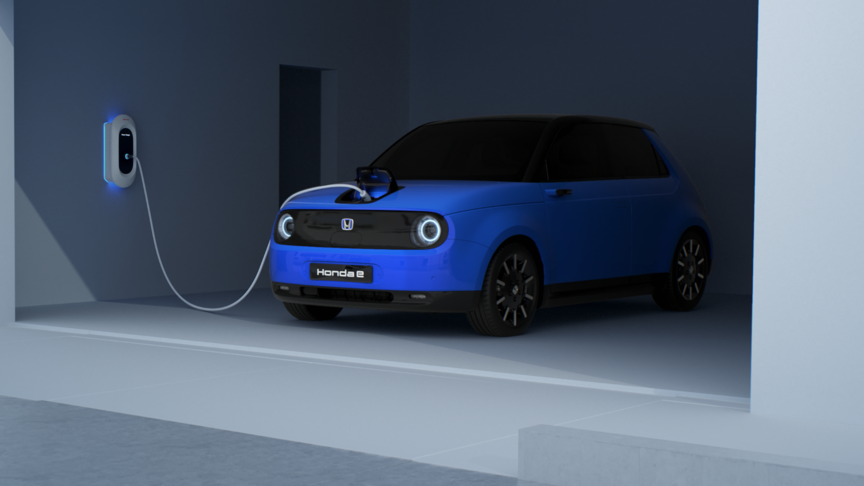
If you have off-street parking at home, it’s a good idea to have a charging point, often called a wallbox, installed.
It takes the hassle out of charging, because whenever the car’s parked at home, it can left to charge, ready for the next trip. The good news is the government offers a grant towards the cost of installing private charging points, which is £500 or 75% of the cost of installation. Some car manufacturers offer to cover any difference as part of the package of buying a new EV.
ETIQUETTE AT CHARGING STATIONS
As drivers, we are familiar with dawdlers, middle-lane drivers, people that park selfishly and those that rarely indicate. Just as these are annoying habits, so there are some dos and don’ts to using a public charging point.

|
DO: Monitor your car’s charge status | Once the batteries of an electric car have been juiced up to 80% charge, it’s considered good manners to unplug your car and make way for the next EV driver. | |||||

|
DON’T: Hog a charge point with a plug-in hybrid | Plug-in hybrids have an engine and can be quickly refuelled at a petrol station. Whereas without access to a charging station, electric car drivers can’t get anywhere. So try not to hog a charging point if electric cars are waiting their turn. | |||||
|
|
DO: Report faults to the network operator | The supplier’s phone number will be on the charging point, or an app will allow faults to be reported. Also, consider reporting on the operating status of a charging station using an independent map provider, such as Charge Map or Zap Map, so others can know if there’s a problem when planning a journey. | |||||
|
|
DON’T: Unplug someone else’s car | Generally, you shouldn’t be able to do this anyway, as the charging cables are secured in place when a vehicle is locked. Be patient, contact the site owner or move on elsewhere. | |||||
|
|
DO: Offer to help | We’re all novices at least once. If you see a fellow driver struggling to figure out how to operate a charging station, ask whether they’d like any help. After all, wouldn’t you like it if someone did the same for you? | |||||
|
|
DON’T: Leave the charging cable lying on the floor | Replace the cover and return the cable to its holster. A loose cable could trip someone up or be broken by a parking vehicle. | |||||