
The global automobile industry, together with international legislators has devised a new way of testing new vehicles that will provide more realistic figures of CO2 emissions and fuel consumption in the future.
First of all, it stands for World Harmonised Light Vehicle Test procedure and it's a new way of testing exhaust emissions and fuel consumption in the lab. It became effective in September 2017 and will be applied to cars launched from this date. By September 2018 all newly sold cars, including those already on sale in 2017, will have to be tested in accordance with the new procedure and display WLTP-sourced data. By January 2019 at the latest only WLTP figures will be provided on display at dealerships. Fuel consumption and emissions figures will therefore change, not just the way they are measured.
The WLTP driving cycle is divided into four phases with different average speeds: low, medium, high and extra high. Each phase contains a variety of driving situations (accelerations, braking, stops) based on a statistical dataset of vehicles driven on the road. Even air temperature – that’s closer to the European average – and for the first time cars with accessories like roof racks, alloy wheels and spoilers are considered. This new way of testing represents a greater range of motoring situations and is much closer to real-world driving conditions.
Therefore, in judging the actual fuel economy performance of all our upcoming models, we highly recommend our customers to use the WLTP based fuel consumption figures.
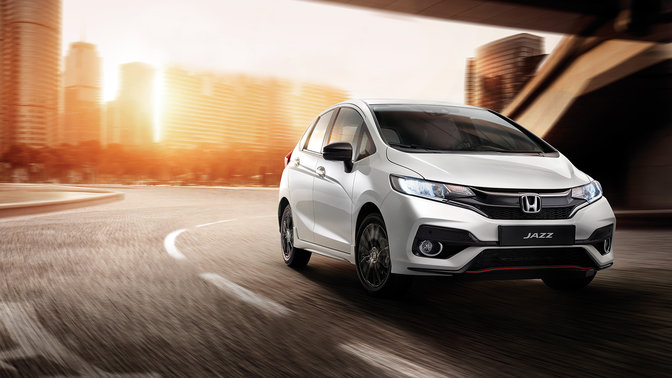
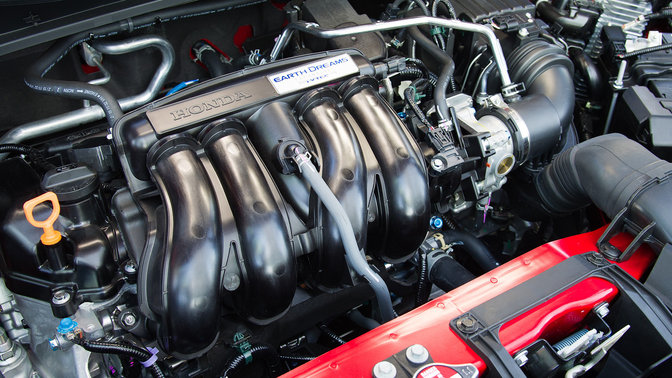
The detailed characteristics of your car are all taken into consideration.
The outgoing testing method, NEDC - New European Driving Cycle - dates back from 1970. This lab-based test doesn't take into account today’s technology and how we drive. WLTP provides more realistic evaluations using data derived from real driving scenarios.
|
Test criteria |
NEDC |
WLTP |
|---|---|---|
|
Test cycle |
Single test cycle |
Dynamic cycle more representative of real driving |
|
Cycle time |
20 minutes |
30 minutes |
|
Cycle distance |
11 kilometres |
23.25 kilometres |
|
Driving phases |
2 phases, 66% urban and 34% extra urban driving |
4 more dynamic phases, Low/Medium/High/Extra High, each increasing the speed and drive power |
|
Average speed |
34 kilometres per hour |
46.5 kilometres per hour |
|
Maximum speed |
120 kilometres per hour |
131 kilometres per hour |
|
Influence of optional equipment |
Impact on CO2 and fuel performance is not considered under NEDC |
Additional features ( which can differ per car) are taken into account |
|
Gear shifts |
Vehicles have fixed gear shift points |
Different gear shift for each vehicle |
|
Test temperatures |
Measurements at 20-30˚C |
Measurements at 23˚C, CO2 values corrected to 14˚C |
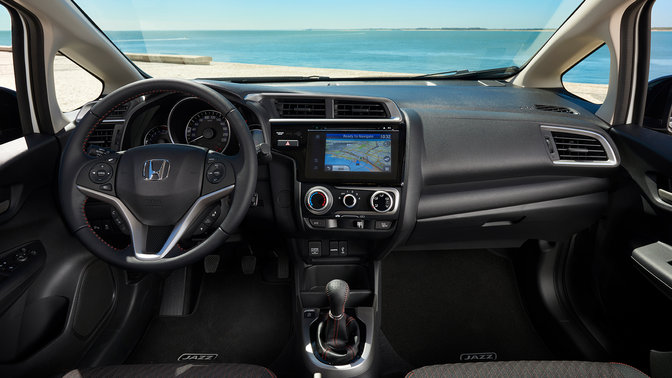
Specific dates have been set for all car manufacturers to comply with the new regulations. WLTP figures will apply on all new car registrations from September 2018.
By the 1st January 2019, at the latest, all new cars in dealerships will have WLTP-CO2 values only. This will avoid any confusion amongst our customers when visiting dealerships, viewing specifications, brochures and Honda websites.
In summary, your car’s fuel consumption performance will not change, but may show a higher g/km CO2 value compared to previous NEDC figures. This is simply because it’s a more rigorous test, which means WLTP will provide a better reflection of your car’s performance on today’s roads.
