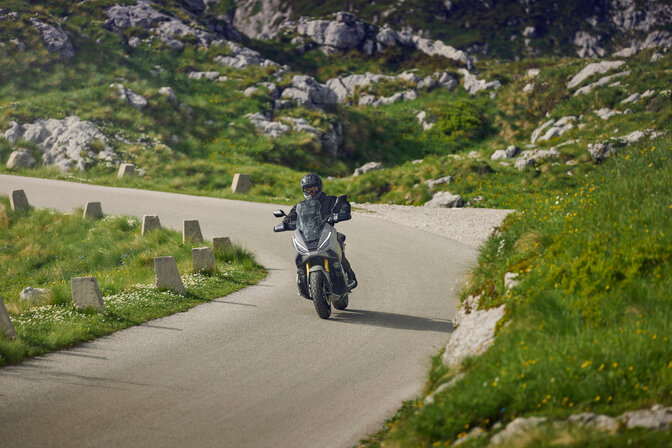
Why Should Every Rider Take a Motorcycle Safety Course?
Ask any motorcycle enthusiast, few things beat clear skies, an open road and a long ride. However, one guaranteed way to improve any bike ride is the peace of mind that comes from knowing you’re equipped to ride in all conditions.
One way to improve your safety on the road is to take a motorcycle safety course. Motorcycle safety courses are designed for all skill levels and teach riders key handling skills, road awareness, and hazard identification. Not only is a motorcycle safety course designed to help protect you, but if you plan on riding a motorcycle abroad, in the US, for example, it’s a requirement in some states.

What does every rider learn in a motorcycle safety course?
The things you learn on a motorcycle safety course will change depending on the course you take. Put simply, an advanced course will cover more complex skills, whereas a basic course will tend to stick with the foundations of motorcycle safety.
Regardless of your skill level, after a motorcycle safety course, you should feel more comfortable on the road. Whatever your level you should come away with the following:
-
Better riding skills
If you’re a beginner, this may mean practising travelling at speed or simply starting and stopping. If you’re an advanced rider, you might work on things such as emergency braking or taking sharp corners. Whatever your prior experience, one of the core goals of a motorcycle safety course is for attendees to leave a better rider. Working on your core skills will boost your confidence on the bike, and potentially make rides more enjoyable.
-
The ability to read the road
An essential part of riding a bike is having the ability to read the road. This doesn’t mean understanding road signs but being able to anticipate what other road users are doing. It teaches you to identify risks and hazards and how to position yourself to avoid them. This might mean knowing how closely to follow a vehicle, how to predict other riders’ behaviours, how to avoid blind spots and more.
-
An understanding of traffic laws
You should know the basics already, but if it’s been a while since your last ride, there may be things you’ve forgotten. Likewise, you may be encountering a road scenario for the first time, or finding the Highway Code has changed since you took your driving test. Nevertheless, a motorcycle safety course should bring you up to speed.
-
An understanding of safety gear
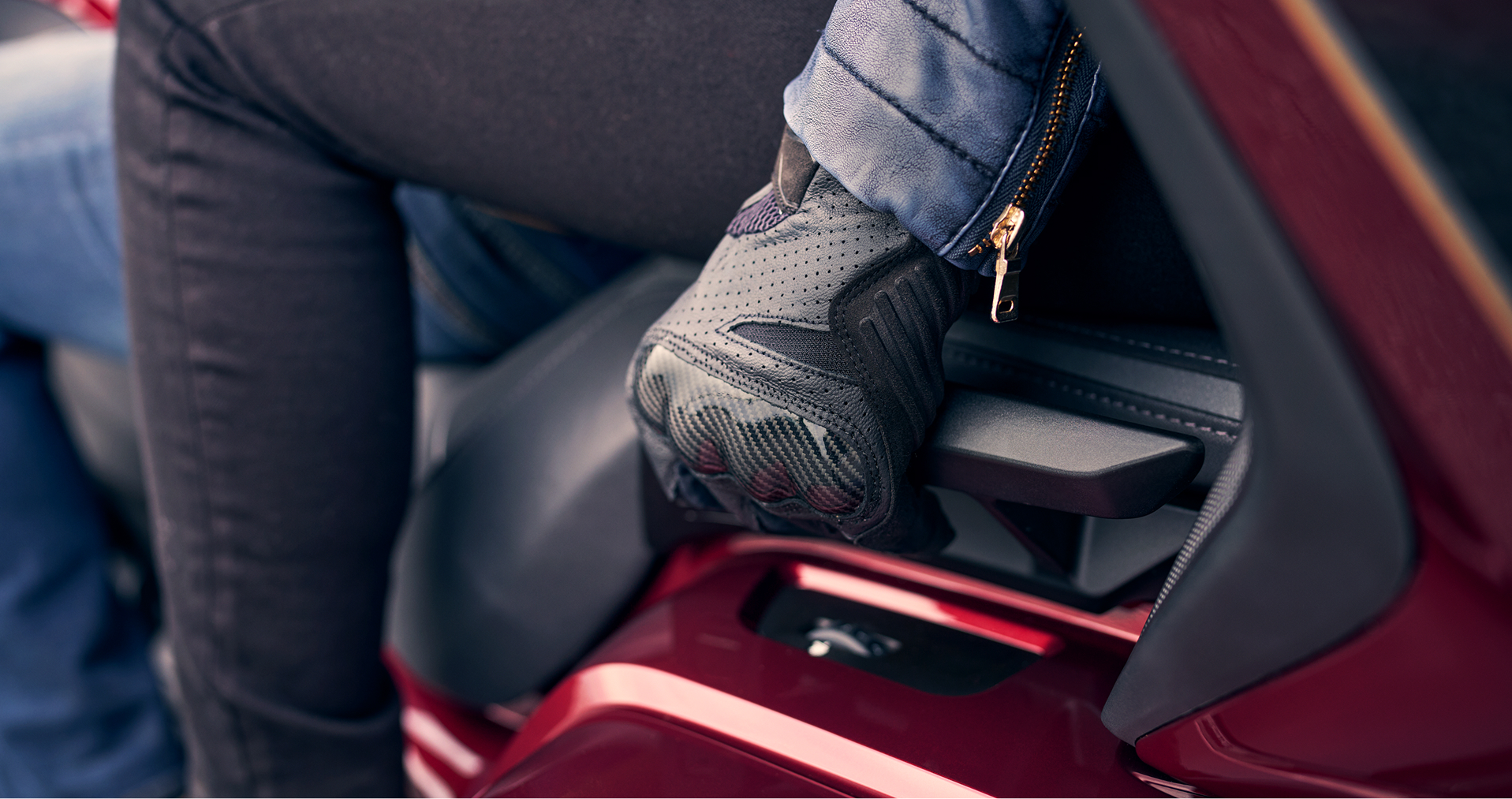
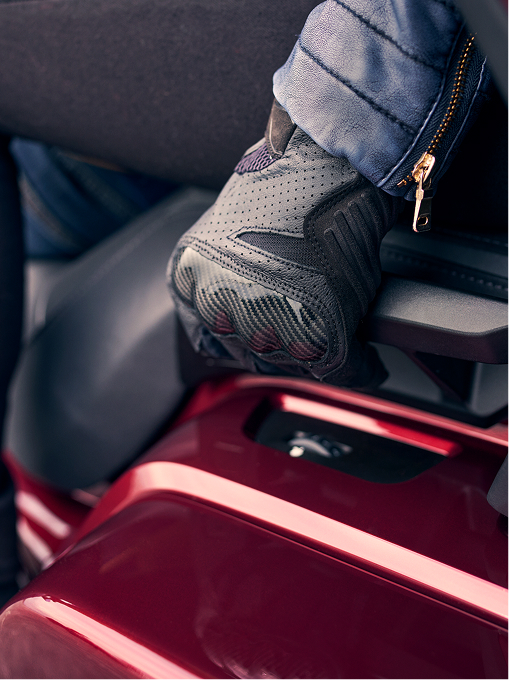
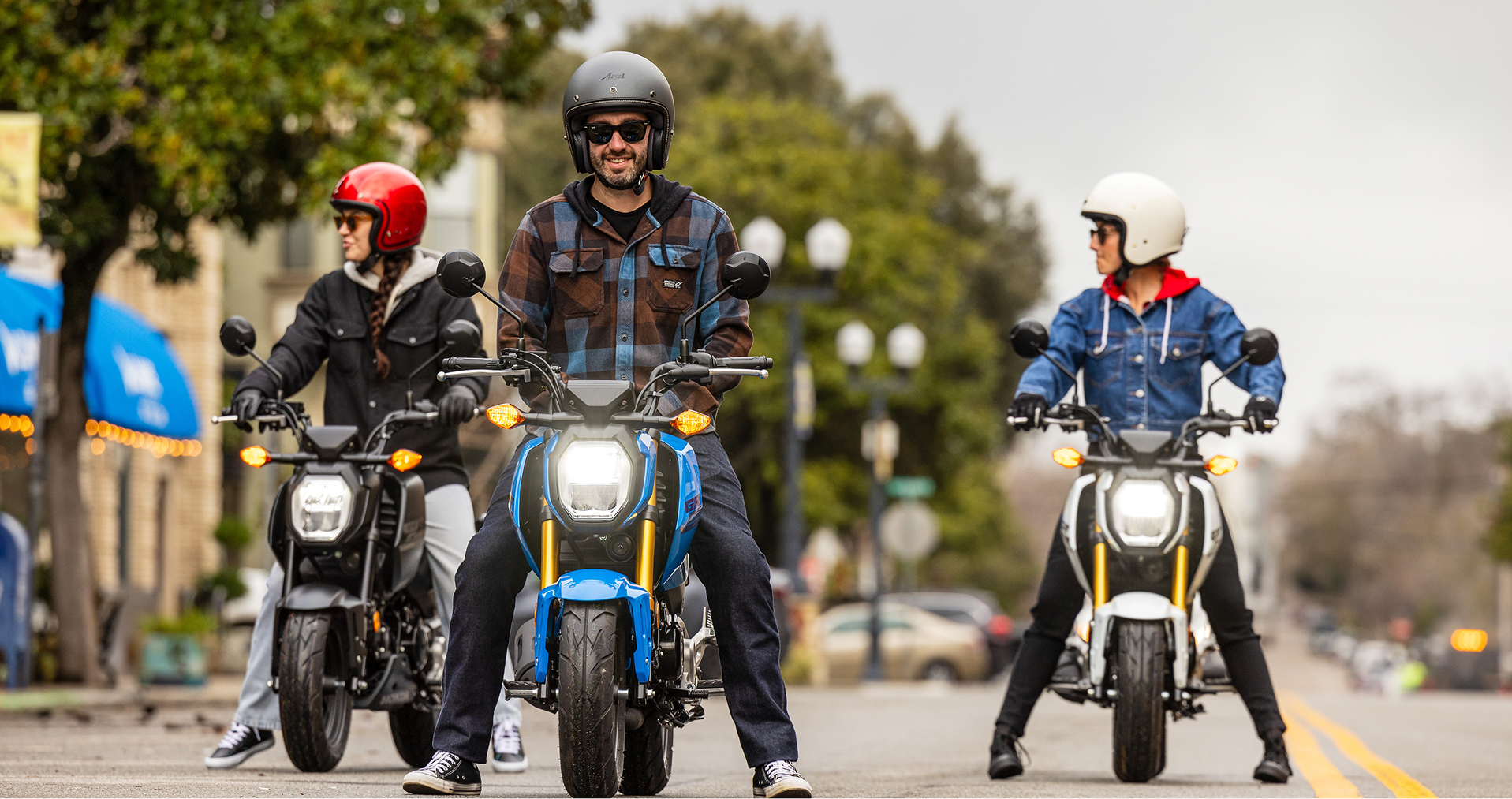
When riding a motorcycle in Europe, you’re legally obliged to wear a motorcycle helmet. On a motorcycle safety course, you’ll probably go through the importance of helmets and more – this means gloves, jackets, trousers and boots.
-
Feeling confident on the road
One of the best parts of motorcycle safety education is the confidence that comes from knowing how to ride safely. Whether it’s better decision-making, or understanding the best approach to a situation, motorcycle training can significantly improve your confidence on the bike.
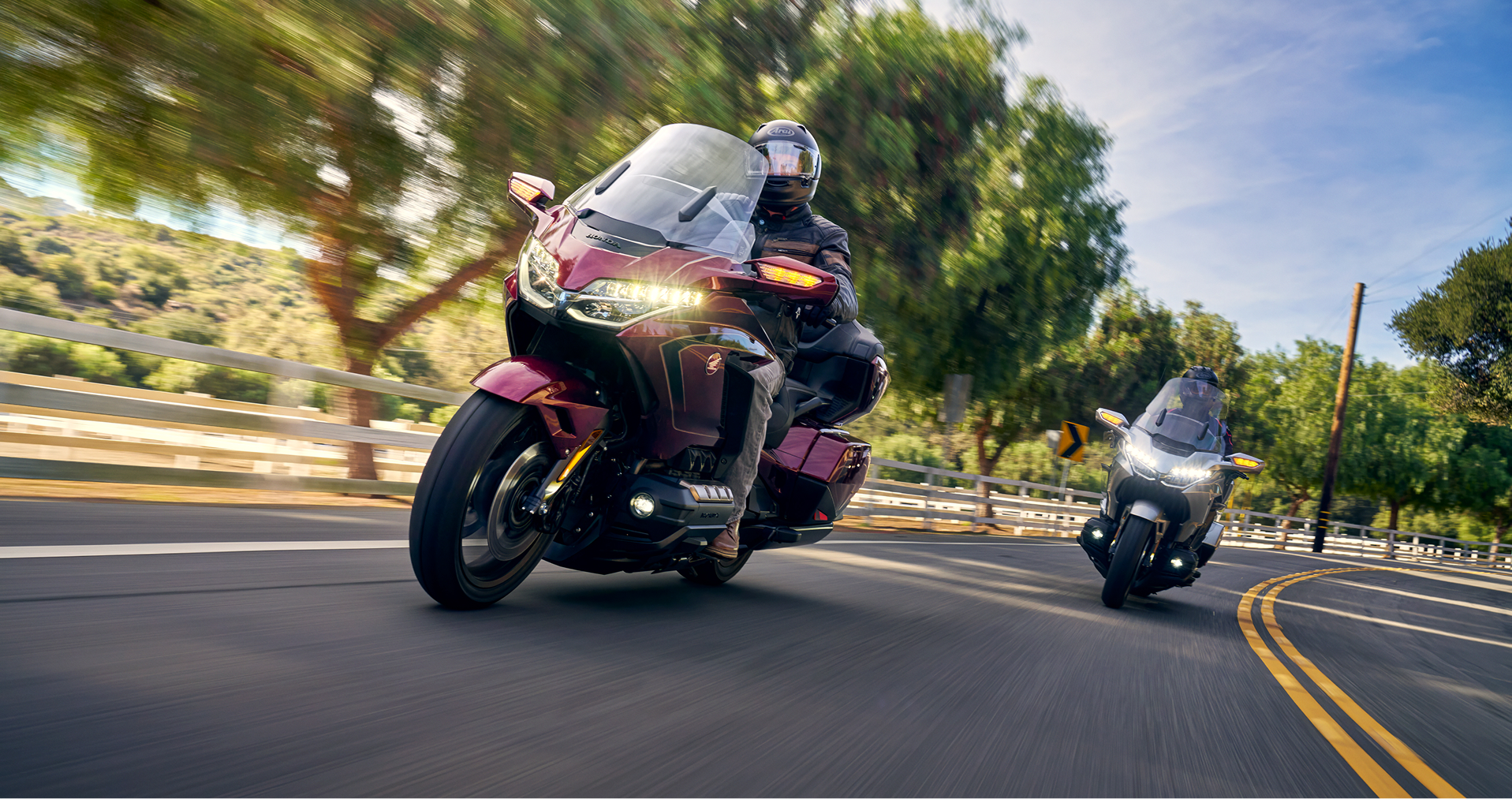
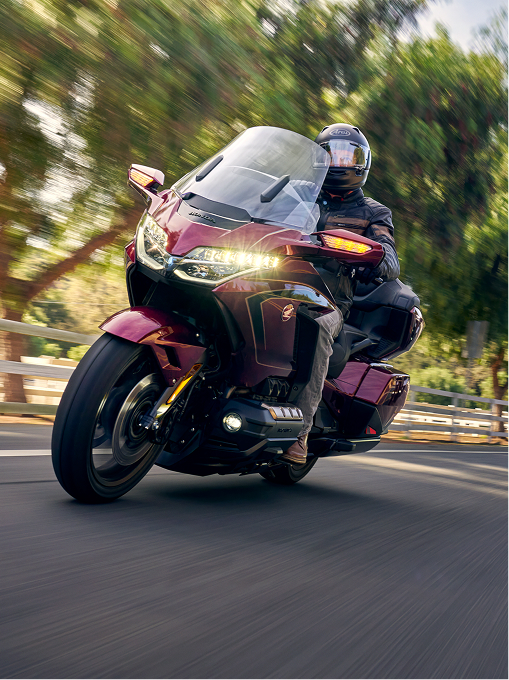
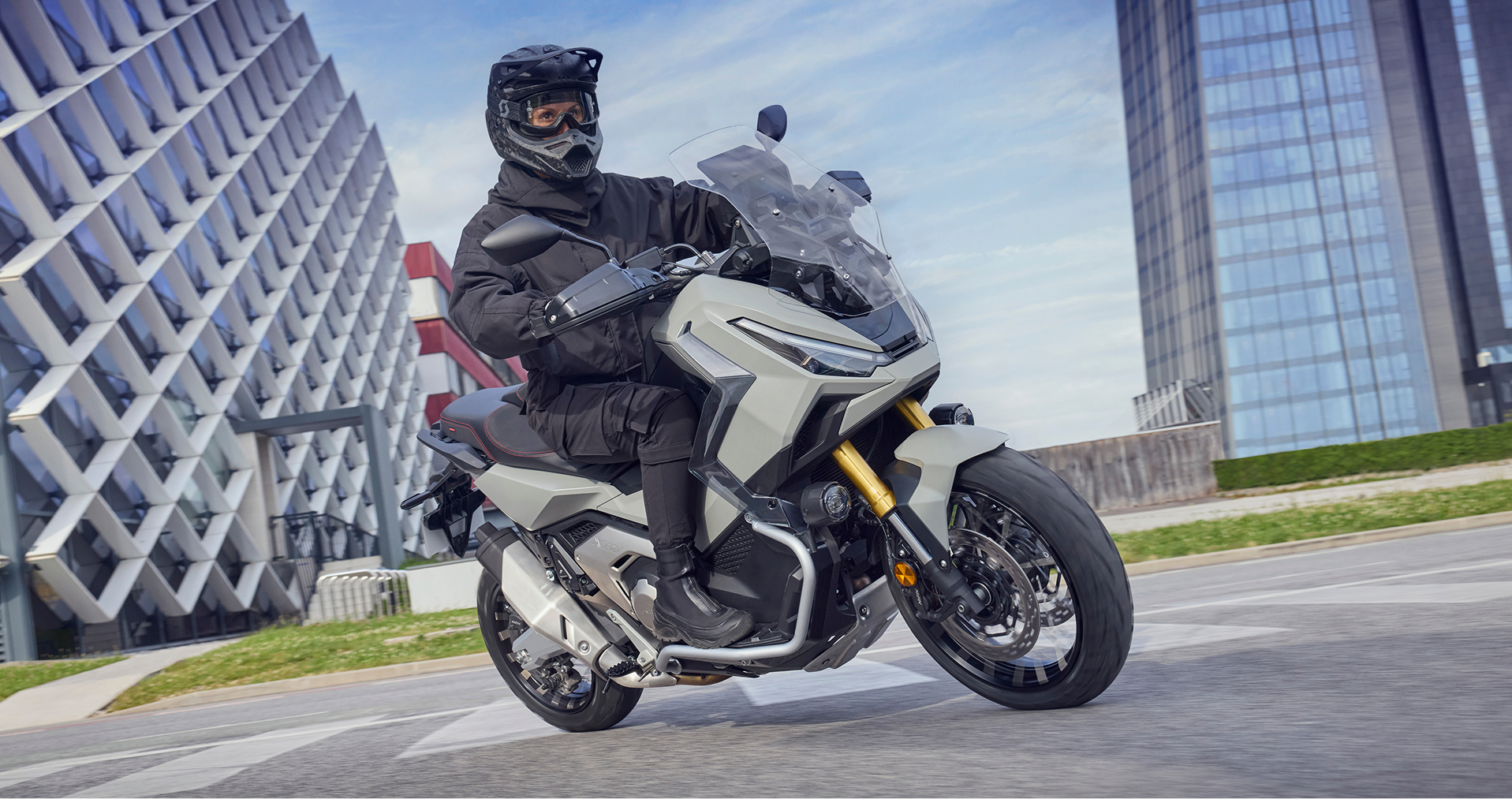

Are safety courses just for beginners?
Safety courses are for motorcycle riders of all skill levels. Whether you’re new to the world of motorcycles, have ridden for years, or are coming back to an old hobby, brushing up on your safety will always help.
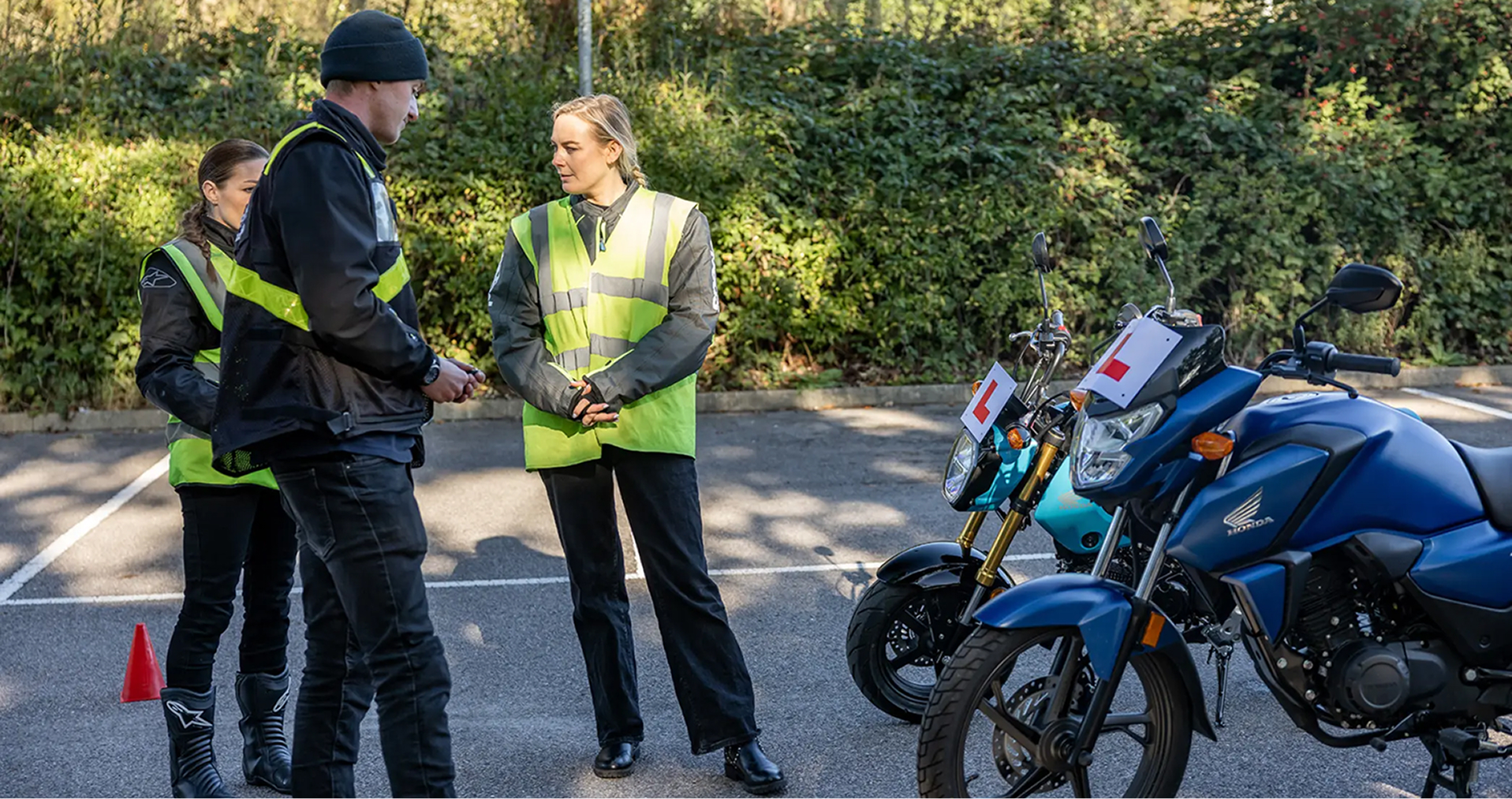
Many safety courses offer tailored programmes to suit your level of experience and skill. Often this will reflect your reason for signing up for the training. If you’re a beginner, you might find road laws, motorcycle basics and tips on best practice useful. If you’re an experienced rider, you might be there to refine existing skills, try new or emergency techniques in a controlled environment, or undo any bad habits you may have developed.
Many people sign up for motorcycle safety courses when they’re returning to bike riding. This is a great way to get reacquainted with your bike, regain any lost confidence and feel comfortable on the road once again.
Ultimately, it’s never too late to sign up for motorcycle safety training and there’s always room for continuous learning.
Why is it so important to do safety courses?
Safety courses for motorcyclists can teach you how to react in otherwise hazardous or tricky scenarios, such as riding in the rain. While it’s true that dry roads are easier to ride on, a safety course can teach you how to ride carefully and comfortably even in heavy downpours.
Another key part of safety courses is understanding other road users and the risks they can present. Of course, in an ideal world, every road user would make clear their intentions and know where they were going at all times. However, this isn’t always the case. Whether it’s someone preparing to pull out, change lanes or coming to a stop, being able to predict road users can help prevent incidents and injuries.
There are also some off-bike benefits to safety training. Depending on where you live, safety courses can be a way to fast-track a motorcycle licence, saving you time. Similarly, some insurers will offer lower rates if you can prove you’ve taken a motorcycle safety course. And furthermore, some bike manufacturers, including Honda, offer discounts if you take a motorcycle safety class.
Honda’s commitment to rider safety
At Honda, we champion rider safety. Nothing is more important to us than the wellbeing of road users. This is why we promote and encourage riders of all skill levels to sign up for a safety training course. We began a series of training schools that not only teach riders how to ride safely but also with confidence. Contact your local Honda representative for more information on training schools near you.
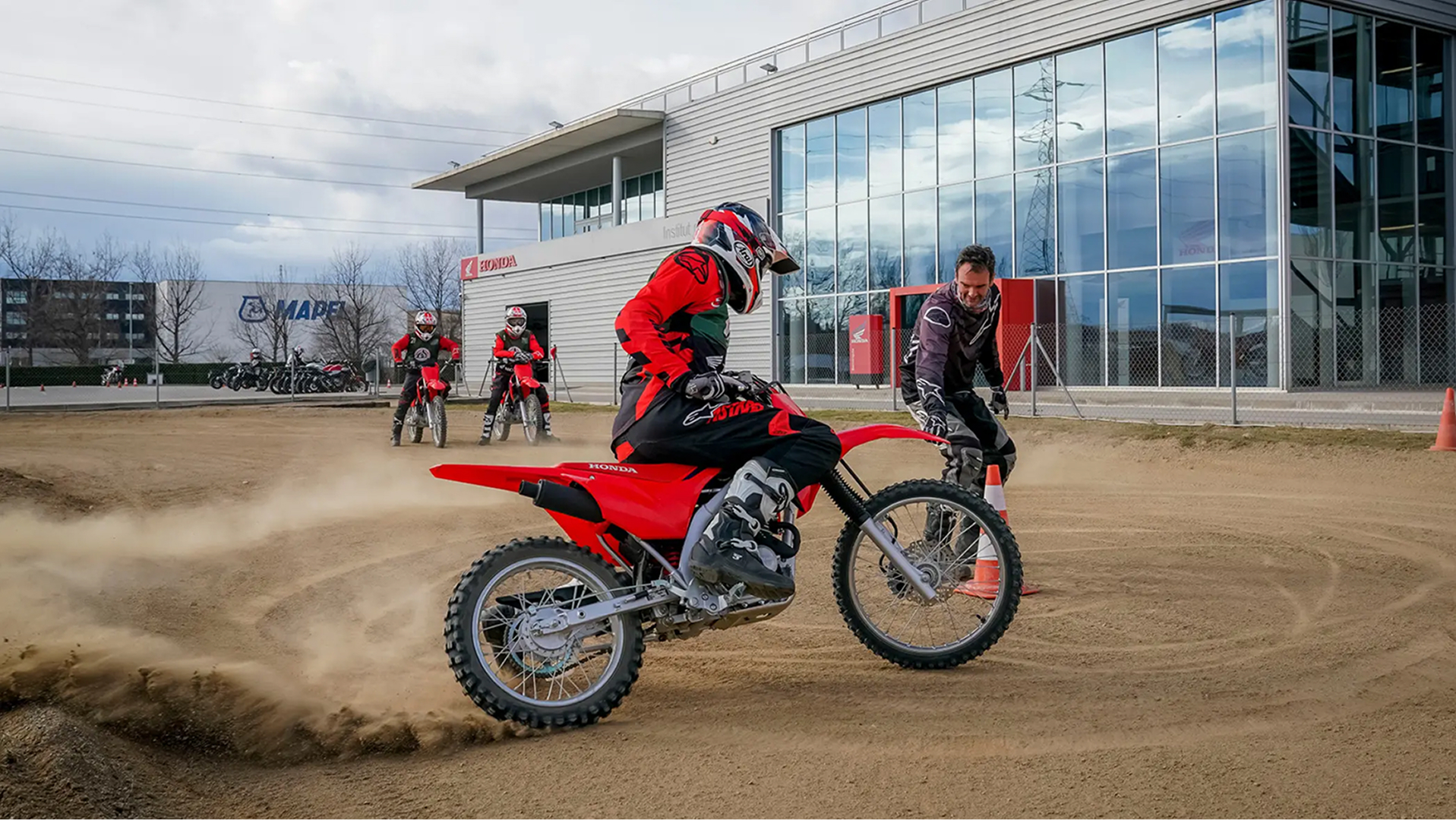
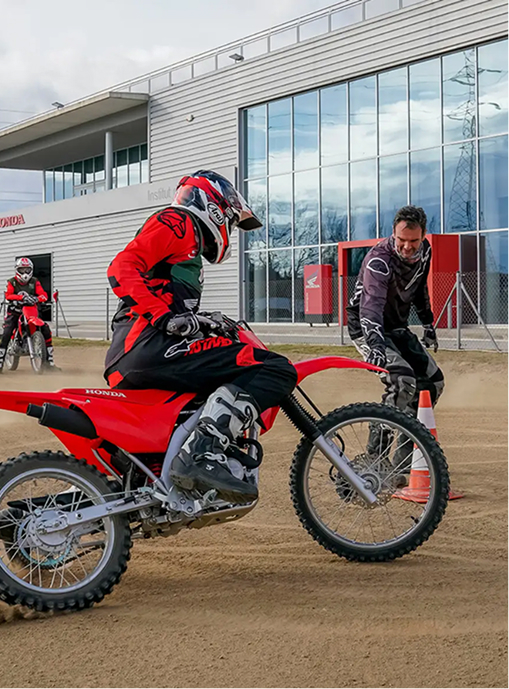
We tailor our courses to riders at all levels and promote safe and responsible road use so you can enjoy your bike, day after day. Interested? You can try a Honda motorcycle in a safe, controlled and friendly environment for free. With no hitches or hidden costs, you can experience the thrill of a Honda bike under the guidance of one of our Honda Approved Motorcycle Training Instructors at a centre near you.
Frequently asked questions
Is a motorcycle safety course mandatory?
No, motorcycle safety courses aren’t mandatory in Europe. However, they can be invaluable especially when preventing accidents and serious injuries. There are some circumstances where you might need to take a safety course to get a discount on insurance or a new bike, but these aren’t explicitly mandatory.
What protection do you need for a motorcycle?
In most European countries, wearing a helmet that meets certain safety standards is a legal requirement. Before you travel, check the specific regulations for each country on your route. While a helmet is the bare minimum, for maximum protection, it's best to also wear a sturdy jacket, trousers, boots, and gloves.
What is the most likely place for a motorcycle accident?
Most serious incidents occur away from junctions, though T, Y or staggered junctions come in second. While not the biggest vehicles on the road, the biggest threat to motorcyclists is often cars. If you’re concerned about riding on junctions, motorcycle safety training can help prepare you and give you additional safety tips.
Latest Blogs
View All Blogs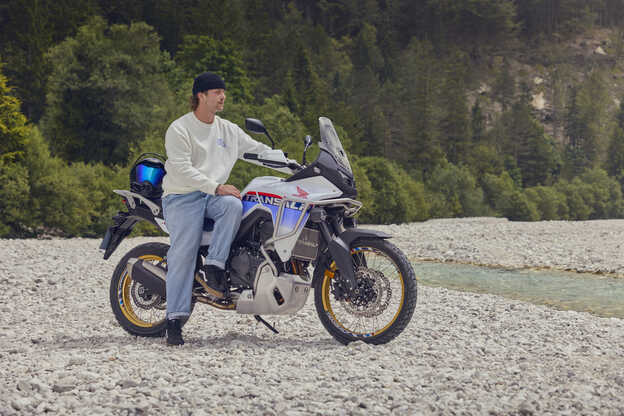
21.03.25
|
11 min read
What Are The Best Motorcycle Adventure Routes in Europe?
.jpg/_jcr_content/renditions/c2_r.jpg)
19.03.25
|
5 min read
Benefits of Switching to an Electric Scooter
15.03.24
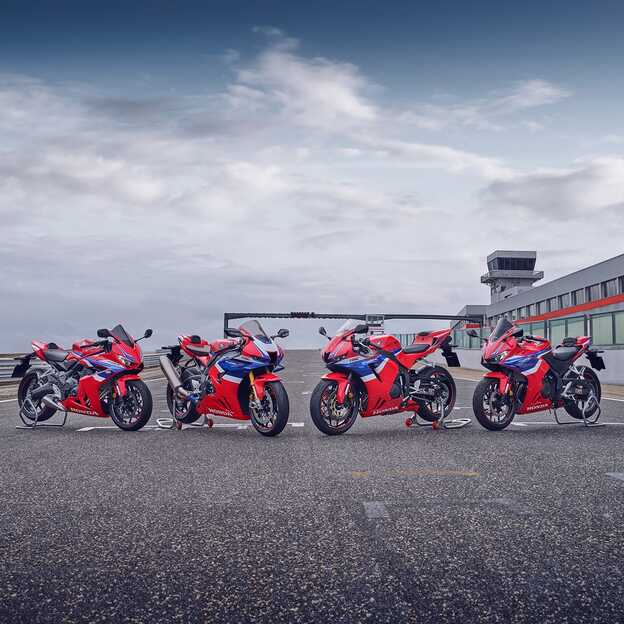
Ultimate Guide to Motorcycle Track Days in Europe
29.09.23
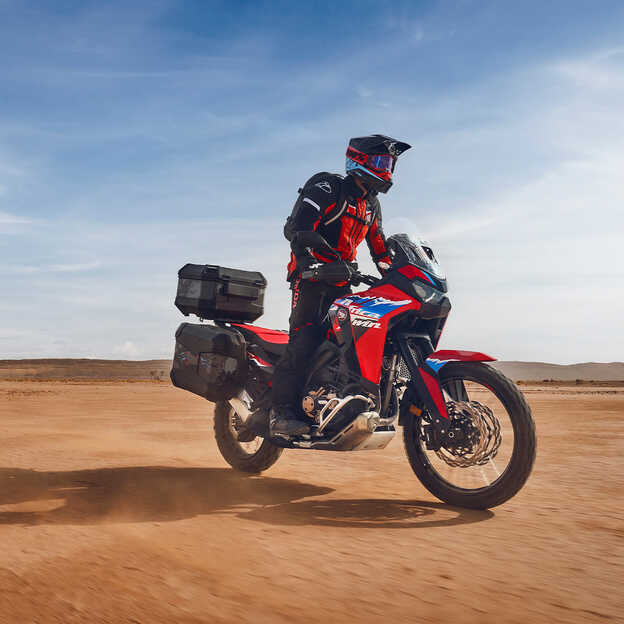
The Best Europe Off-Road Adventures
05.06.23
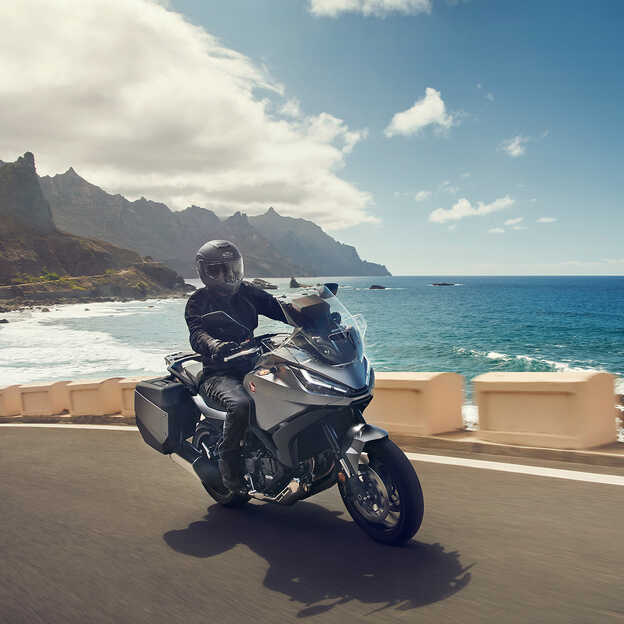
The best motorcycle tours in Europe
24.02.23
|
8 Min read
Types of motorcycle: A beginner’s guide